4th of July Eagle Applique Pattern Review
As an experienced embroidery designer who has spent years refining brand identity for small businesses, I approach every new file with a critical eye. When evaluating the 4th of July Eagle Applique Pattern, I am not just looking at a festive graphic; I am assessing its viability as a core asset for commercial merchandise, branded patches, and professional uniforms. For small business owners, Etsy sellers, and apparel decorators, the difference between a decorative item and a profitable product often lies in the technical execution and design adaptability. This review analyzes how this specific machine applique design performs in real-world scenarios, from boutique tote bags to staff aprons.
First Impressions: Professionalism and Visual Impact
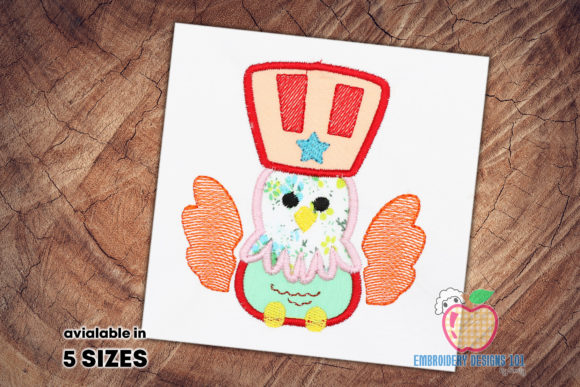
The initial assessment of the 4th of July Eagle Applique Pattern suggests a design that balances bold patriotism with structural integrity suitable for mass production. The concept of an eagle immediately conveys strength and heritage, which are valuable traits for brands wishing to project reliability. Because this is an applique pattern, it offers a distinct texture that standard fill stitches cannot replicate. This added dimension elevates the perceived value of the finished product, making it ideal for premium items like custom hats or high-end packaging accents.
The versatility provided by the inclusion of five sizes ranging from 4 inches to 8 inches is a significant advantage for small business merch. A design that can scale effectively allows a bakery to use a smaller version on a cupcake wrapper label while a larger clothing brand uses the same motif on a back-of-shirt print. However, the first impression must also consider the complexity. Applique designs require precise cutting and layering, so the visual personality here needs to be robust enough to withstand the physical process without losing definition. It feels classic and slightly rustic, fitting well for craft businesses, local shops, and patriotic-themed events.
Real-World Application for Merchandise and Branding
When integrating the 4th of July Eagle Applique Pattern into a commercial workflow, the possibilities extend far beyond simple decoration. Imagine a local café launching a summer collection. This design could serve as a prominent chest logo accent on their barista aprons, instantly creating a cohesive look for the team. The applique technique adds a tactile element that customers appreciate, turning a standard uniform into a piece of wearable art.
For digital entrepreneurs selling on platforms like Etsy, this design acts as a powerful design asset. It can be used to create embroidered patches that serve as standalone products or as add-ons to existing inventory. A florist might attach a small patch to a reusable flower pot cover, while a pet brand could apply it to a durable dog collar. The ability to produce these items using a digital embroidery file streamlines the production process, allowing for quick turnaround times during peak holiday seasons.
In the context of event merchandise, such as Independence Day festivals or community gatherings, this pattern offers high recognition value. Whether applied to a cap, a tote bag, or a work shirt, the eagle motif resonates strongly with the target audience. The key to success here is consistency. Using the same design across different mediums—like matching a tote bag design with a customer gift—reinforces brand identity and builds trust with your clientele.
Strategic Use Cases for Small Business Owners
- Staff Uniforms: Enhance the professionalism of service workers by adding the design to apron embroidery or cap embroidery. The applique finish looks polished under bright lights.
- Product Packaging: Use the design as a subtle accent on product labels or hang tags to elevate the unboxing experience.
- Custom Apparel: Create limited-edition t-shirts or hoodies where the eagle serves as the central focal point.
- Event Swag: Generate cost-effective giveaways for trade shows or local markets that people actually want to keep.
Critical Considerations and Potential Pitfalls
While the potential is high, there are specific areas where the 4th of July Eagle Applique Pattern requires careful handling. Not all applications are created equal, and failing to account for technical limitations can lead to costly mistakes. One major concern is the stitch density. Applique designs often involve dense stitching to secure the fabric layers. If the density is too high, the fabric may pucker, especially on lightweight materials or curved surfaces like the front of a baseball cap.
Small patch sizes present another challenge. While the product description notes availability down to 4 inches, reducing an applique design further can compromise the visibility of details. Tiny lettering or intricate outlines within the eagle's feathers may become muddy when stitched at reduced scales. Furthermore, textured fabrics can obscure the clean lines of the applique. Dark uniforms require high contrast thread colors to ensure the design pops, whereas light fabrics offer more flexibility but may show the stabilizer if not removed properly.
Frequent washing is also a factor for long-term durability. Applique edges must be secured with appropriate satin stitches or blanket stitches to prevent fraying over time. If the design is intended for work shirts or aprons that undergo industrial laundering, testing the wash durability is non-negotiable. Additionally, items that need frequent washing may suffer if the wrong type of stabilizer is used, leading to distortion of the final product.
Impact on Brand Identity and Customer Perception
The quality of your embroidery directly influences customer trust and professionalism. A poorly executed design can make a brand appear amateurish, regardless of the product's intrinsic quality. Conversely, a sharp, well-placed applique design signals attention to detail and a commitment to excellence. The 4th of July Eagle Applique Pattern, when executed correctly, adds a layer of sophistication that generic screen prints lack.
This distinction is crucial for handmade product creators who rely on the narrative of craftsmanship. An embroidered eagle tells a story of skill and effort, which justifies higher price points and fosters deeper buyer engagement. By ensuring visual consistency across all touchpoints—from the website mockup to the physical item—you create a seamless brand experience. This consistency reinforces the idea that your business is reliable and invested in quality.
Essential Designer Notes for Production
- Test in Black and White: Before committing to color threads, digitize or preview the design in monochrome to check the balance of negative space and stitch coverage.
- Verify Hoop Size: Ensure your equipment supports the required hoop sizes (4×4, 5×7, 6×10, 8×8, and 8×12) mentioned in the product details. Mismatched hoops can cause alignment issues.
- Check Thread Color Contrast: Select thread colors that provide maximum legibility against your chosen fabric texture. High contrast is essential for applique.
- Inspect Spacing: Verify that the spacing between applique pieces allows for proper trimming and finishing without gaps or overlaps.
- Confirm Commercial Licensing: Always review the license terms to ensure you have the right to use the embroidery file for resale items.
- Create a Printable Mockup: Develop a realistic mockup for client approval to visualize the final result before running production.
- Use Proper Stabilizer: Select the correct stabilizer type (cut-away vs. tear-away) based on the fabric weight and intended use of the garment.
In conclusion, the 4th of July Eagle Applique Pattern holds significant promise for small business owners looking to expand their product lines with high-quality, patriotic-themed items. Its scalability and dimensional appeal make it a versatile choice for everything from apron embroidery to cap embroidery. However, success depends on rigorous testing and adherence to best practices in commercial embroidery. By carefully evaluating the design's performance on real fabric and respecting the technical constraints of applique, you can transform a simple digital file into a standout brand asset that drives sales and enhances customer loyalty.