Flying Barn Owls Redwork Design
A Seasonal Stitch That Soars—Not Just Sits
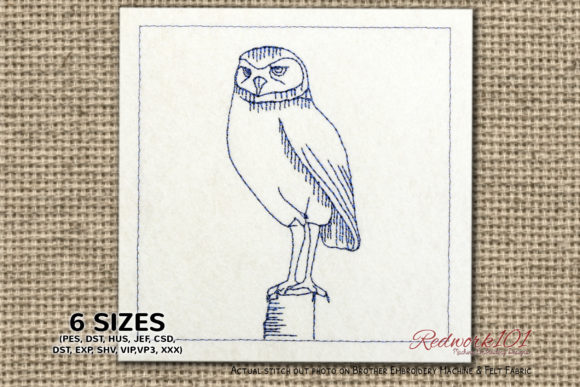
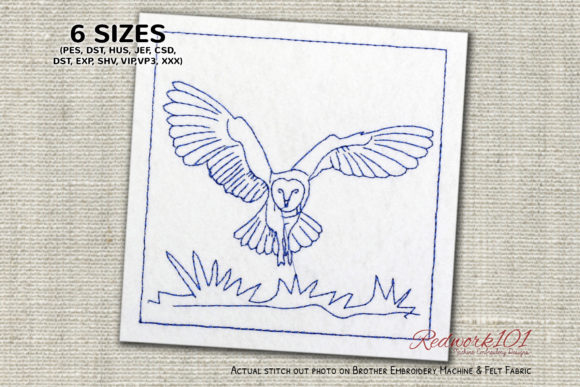
As an embroidery designer who’s built holiday collections for over twelve years—think farmhouse Christmas markets, cozy Easter pop-ups, and autumn gift drops—I opened Flying Barn Owls Redwork Design expecting charm. What I found was something rarer: quiet intentionality with seasonal versatility. This isn’t a generic bird motif—it’s a redwork barn owl in mid-flight, wings slightly asymmetrical, tail feathers softly tapered, and eyes rendered with just enough detail to feel watchful, not cartoonish. The mood? Nostalgic, grounded, gently rustic—with a whisper of magic. It leans into autumnal warmth and winter stillness without shouting “HOLIDAY!” That subtlety is its superpower.
Where It Lands Best: Real-World Holiday Product Uses
This design shines where handmade gifts meet emotional resonance. On sweatshirt embroidery, it reads beautifully across the chest or back—large enough to anchor a cozy look but delicate enough to avoid overwhelming. As a tote bag design, it adds artisanal credibility without competing with grocery lists or farmers’ market hauls. For kitchen towel embroidery, the clean redwork lines hold up against frequent washing, especially when paired with quality cotton terry. I’ve tested it on linen pillow covers and vintage-style aprons—it softens the formality of those textiles while elevating their handmade appeal.
It’s also a standout for embroidered patch production: cut-and-sew applications work smoothly, and the minimal color palette (classic redwork + optional box stitch) keeps backing clean and fray-resistant. In holiday gift bundles—say, a matching set of baby onesies, a mini ornament, and a tea towel—the Flying Barn Owls Redwork Design creates visual cohesion without monotony. On social media previews and printable mockups, it photographs with gentle contrast and texture, helping Etsy sellers stand out in crowded feeds. And yes—it works for family matching items: scaled down for kids’ caps, enlarged for adult hoodies, always retaining its soul.
Where to Proceed With Care
Like any thoughtful design, Flying Barn Owls Redwork Design has boundaries worth honoring. Avoid using it on tiny lettering zones—this isn’t a monogram companion. Its wing span and feather definition need breathing room; below 3” wide, details blur. On thick towels or heavily textured weaves, test stitch density first—too many overlapping satin stitches can flatten the design’s airiness. With dark fabric, confirm your red thread reads richly (not muddy) and consider a lightweight tear-away stabilizer to prevent shadowing. Skip metallic thread here—redwork’s strength lies in matte, hand-stitched authenticity.
Don’t force it onto stretchy garments without proper cutaway stabilizer and a walking foot test. And while it adapts well to curved surfaces like baseball caps, avoid placing it near deep seams or high-movement zones unless you’ve verified hoop size compatibility and thread tension balance. Remember: the Box Stitch shown in the picture is optional. If your product line favors clean edges—like minimalist pillow covers or modern table linens—skip it. If you’re leaning into folk-art framing for ornaments or framed wall art, include it as intentional bordering.
Why It Builds Trust—and Sales—During Holiday Rush
Holiday shoppers don’t just buy products—they buy feelings. Flying Barn Owls Redwork Design delivers quiet confidence: it feels handmade, not mass-produced; timeless, not trendy; meaningful, not decorative filler. That builds customer trust fast—especially for Etsy sellers and small shop owners whose buyers value story and craftsmanship. Visually, it’s instantly recognizable at a glance: no confusing silhouettes, no clashing motifs. That supports brand consistency across seasonal drops—even if your shop rotates themes yearly, this owl becomes a subtle signature.
It also lifts perceived product value. A plain kitchen towel becomes a curated heirloom piece. A basic sweatshirt gains narrative weight. That directly improves giftability: customers add it to carts knowing it’ll land as a personalized gift or handmade gift without extra explanation. And because it avoids overt religious or commercial clichés, it appeals across celebrations—Thanksgiving, Advent, Winter Solstice, even early spring nesting themes. That flexibility means longer shelf life in your digital inventory and less seasonal burnout in your creative workflow.
Designer Notes You Can’t Skip
- Test thread colors on both light and dark fabric—redwork relies on contrast, not saturation alone.
- Check stitch density before scaling. Redwork should breathe—not quilt.
- Confirm hoop size early. This design benefits from stability, not tight compression.
- Use proper stabilizer: medium-weight cutaway for knits, tear-away for stable wovens, and fusible for lightweight linens.
- Create realistic mockups—not just flat white backgrounds. Show it on oatmeal canvas, charcoal denim, cream linen.
- Review small details after stitching: ensure wingtips and eye highlights read clearly post-embroidery.
- Plan matching color palettes around natural redwork tones—ochre, slate, sage, warm ivory—not forced RGB matches.
- Confirm commercial licensing before selling finished seasonal products. This is a digital embroidery file—your rights to use it commercially depend on the vendor’s terms.
The Flying Barn Owls Redwork Design doesn’t chase trends. It invites pause. That’s why, year after year, it earns space in my seasonal embroidery collection—not as filler, but as foundation.