Mamba Bluework: A Designer's Real-World Review
When I first opened the file for Mamba Bluework, my immediate reaction wasn't about stitch counts or file formats. It was about the mood. There is a specific energy that comes from reptile-themed designs, and this one manages to be both sleek and approachable. As someone who spends hours evaluating embroidery files for client projects and my own handmade shop, I look for designs that translate well from a digital preview to a physical object. This design hits that mark immediately.
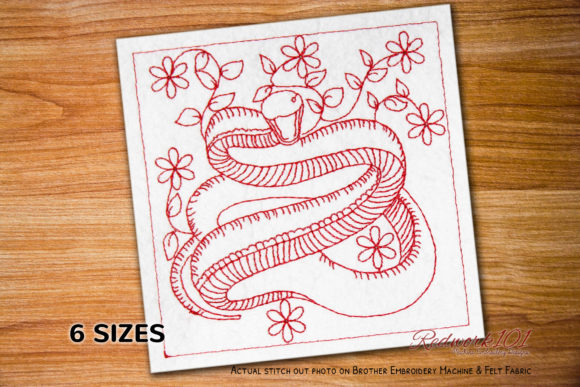
The visual personality of Mamba Bluework suggests a modern, clean aesthetic. It doesn't scream for attention with chaotic details; instead, it relies on strong lines and a confident silhouette. For an embroidery project involving reptiles, this is often a difficult balance to strike without making the subject look cartoonish or overly aggressive. The layout feels balanced enough to sit comfortably on a variety of surfaces, whether that is the chest of a sweatshirt or the corner of a kitchen towel. It creates a sense of professionalism that can elevate a simple item into a boutique product.
Real-World Application: From Screen to Stitch
I recently tested Mamba Bluework while preparing a custom order for a local boutique. The client wanted a line of eco-friendly tote bags featuring unique animal motifs. They needed something that would look good in black thread on a natural canvas, but also work in white thread on a dark denim bag. The versatility here is key for any Etsy seller or small business owner trying to maximize their inventory without buying multiple versions of the same asset.
The design performed exceptionally well during the stitching process. When I placed it on the canvas, the spacing allowed the fabric texture to show through slightly, which added depth to the final piece. In the world of custom apparel, too much density can make the fabric feel stiff and cardboard-like, ruining the drape of a tote bag. However, Mamba Bluework maintains a healthy balance. It feels substantial enough to be seen from a distance but light enough to remain comfortable against the skin if used on clothing.
I also considered how this would look on a baby item, such as a onesie or a nursery pillow cover. The curves in the design are smooth, avoiding sharp angles that might catch on delicate fabrics. For baby embroidery, safety and softness are paramount. The way the stitches lay down suggests a gentle finish that wouldn't irritate sensitive skin. This makes it a strong candidate for personalized gifts aimed at new parents who want something unique rather than generic store-bought decor.
Where to Exercise Caution
Even the best machine embroidery design has its limitations. While Mamba Bluework is robust, there are scenarios where you need to be careful. If you are working with very small hoop sizes, such as those used for cap brims or tiny patches, you must evaluate the detail level closely. Tiny elements can sometimes get lost or merge together when stitched at a reduced scale.
Texture is another factor to consider. On heavily textured fabrics like bouclé or heavy corduroy, the definition of the design might soften more than expected. Similarly, stretchy fabrics require a high-quality stabilizer to prevent puckering. If you are planning to use this on a sweatshirt embroidery project, ensure your stabilizer choice matches the weight of the garment. Without proper support, even a well-designed file like Mamba Bluework can distort over time.
Dense stitch areas can also pose a challenge on thin fabrics. If the design includes large fill sections, running them on sheer material could result in visible holes or a lack of coverage. Always test on scrap fabric first to see how the thread interacts with your specific material. Additionally, if you are using dark fabric, pay close attention to the thread colors. The contrast needs to be high enough to ensure the reptile shape is clearly defined. A low-contrast thread on a dark background can make the design look muddy rather than crisp.
Visual Appeal and Product Value
In the competitive world of handmade goods, visual appeal drives sales. Customers often judge the quality of a product by the precision of the stitching. Mamba Bluework offers a clean look that signals quality. When a buyer sees a well-executed design on a tote bag design or a kitchen towel, they perceive higher value. This design helps build trust because it looks intentional and polished.
For commercial embroidery projects, consistency is everything. You don't want the first batch of items looking different from the second. The structure of this file supports consistent results across multiple runs. This reliability is crucial for craft business owners who need to fulfill orders quickly without constant adjustments. The design also lends itself well to branding. Imagine a logo or a signature element on a set of aprons or a collection of holiday embroidery items. The distinct shape makes it memorable.
Another aspect to consider is the "giftability" of the finished product. A well-stitched design adds a personal touch that mass-produced items lack. Whether it is a wedding gift or a corporate giveaway, Mamba Bluework adds a layer of thoughtfulness. It transforms a standard item into a keepsake. For digital product sellers, having a design that translates well into printable mockups is a huge advantage. You can showcase the design on various backgrounds to attract buyers before they even purchase the file.
Practical Notes for the Designer
Before you commit to using Mamba Bluework in a commercial release, there are a few technical steps you should take. First, always check the stitch density. High density can lead to needle breakage or poor fabric coverage if not managed correctly. Second, review the color palette. Ensure that the thread colors you plan to use provide enough contrast for your target fabric. If the original file uses specific shades, test them against your actual thread spools.
Don't forget to inspect small details. Zoom in on the digital file and look for any potential issues with overlapping stitches or tiny gaps. These can become major problems once the machine starts running. Also, confirm the hoop size requirements. If the design is intended for a larger area, ensure your machine can handle the dimensions without needing to split the design unnecessarily.
Licensing is perhaps the most critical step for anyone selling finished products. Verify whether the embroidery file allows for commercial use. Some designs are for personal use only, and using them for profit can lead to legal trouble. Check the terms provided by the creator regarding digital assets and resale rights. Finally, test the design in black and white mockups to see how the shapes hold up without the distraction of color. This will give you a clear idea of the design's structural integrity.
By following these guidelines, you can ensure that Mamba Bluework delivers the professional results you expect. It is a versatile tool in your arsenal, suitable for everything from apparel decorators to hobbyists looking to create unique handmade products. With the right preparation and attention to detail, this design can help you create stunning pieces that stand out in a crowded market.