Pork Chop Lineart Review for Holiday Collections
As an experienced embroidery designer who spends countless hours curating seasonal collections, I am always on the lookout for unique digital embroidery files that can elevate a small business's holiday inventory. Recently, I discovered Pork Chop Lineart on Creative Fabrica, and it immediately caught my eye as a potential star for upcoming festive product lines. While food-themed designs often lean toward cartoonish or overly complex styles, this piece offers a distinct lineart approach that feels both modern and nostalgic. For Etsy sellers, craft fair vendors, and handmade gift makers planning their seasonal shop updates, understanding how a design like Pork Chop Lineart fits into a broader commercial strategy is essential.
The First Impression: Mood and Style
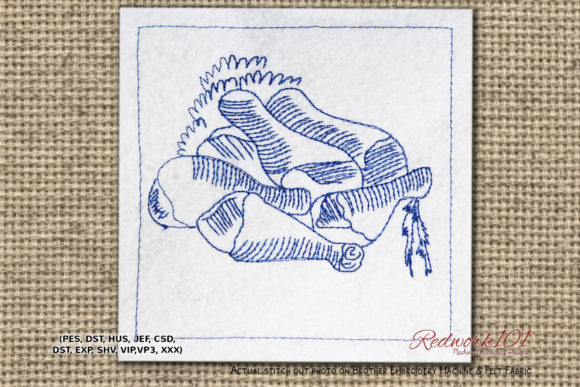
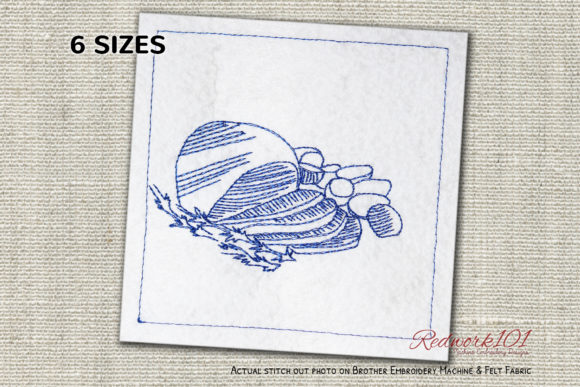
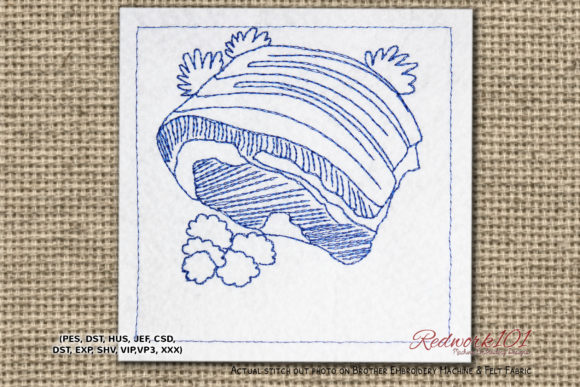
When you first open the preview of Pork Chop Lineart, the immediate feeling is one of cozy simplicity. The lineart style strips away unnecessary clutter, leaving behind clean, recognizable shapes that are perfect for various fabric textures. Unlike heavy fill stitches that can overwhelm delicate materials, this design relies on the elegance of its outlines. It strikes a balance between rustic charm and contemporary minimalism, making it highly versatile for holiday shoppers who appreciate understated aesthetics. The emotional tone is warm and inviting, evoking memories of family gatherings and hearty holiday meals without being overly literal or kitschy.
This versatility is crucial for creators looking to build a cohesive brand identity. Whether you are targeting a demographic that loves farmhouse decor or a younger audience seeking trendy apparel, the Pork Chop Lineart design adapts well. It avoids the trap of looking too "cheap" while maintaining high visual appeal. The decision to include an optional box stitch adds another layer of customization. This feature allows designers to create framed looks for home decor items or skip the border entirely for a more organic feel on sweatshirts and tote bags. The ability to manipulate the outer box color means you can easily match your specific thread palette, ensuring the finished product looks intentional and polished.
Real-World Application in Seasonal Selling
In the competitive world of handmade goods, the way a design performs in real selling situations determines its value. I have been testing Pork Chop Lineart with the intention of adding it to a limited-edition holiday collection. One of the strongest use cases I see is for gift bundles. Imagine a set including a kitchen towel embroidered with Pork Chop Lineart paired with a matching apron or a set of embroidered patches for denim jackets. These combinations create a narrative around the holiday meal, appealing to customers who want to celebrate the season with thematic accessories.
For Etsy sellers, this design is a goldmine for personalized gifts. The clean lines of Pork Chop Lineart allow for easy integration of custom names or dates within the optional box frame. You could create a "Family Reunion" series where each participant receives a tote bag featuring their name alongside the pork chop motif. In a craft fair display, these items would stand out because they offer something different from the standard Christmas tree or snowflake patterns. The design serves as a conversation starter, allowing you to engage with customers about the artistry involved in machine embroidery.
Social media marketing also benefits significantly from this file. When creating printable mockups for Instagram or Pinterest, the contrast of the lineart against different backgrounds—like kraft paper, velvet, or linen—creates visually striking images. Customers love seeing realistic previews of how a design will look on their favorite items. By showcasing Pork Chop Lineart on sweatshirt embroidery samples and pillow covers, you can demonstrate the quality of your work before a customer even makes a purchase. This transparency builds trust and encourages engagement during the busy holiday shopping periods.
Where to Use with Caution
While Pork Chop Lineart is adaptable, there are specific scenarios where a professional designer must exercise caution. Small hoop sizes can sometimes limit the detail resolution of lineart designs. If you attempt to embroider this on a tiny item like a baby bib or a miniature ornament, the lines might become too thin or break apart, losing the intended aesthetic. Similarly, when working with thick fabrics like heavy terry cloth towels, the stitch density needs to be carefully managed to prevent puckering.
Dense stitch areas can be problematic if the design is scaled down too much or placed on stretchy garments like fitted leggings or caps. The tension required for lineart can cause distortion on curved surfaces like baseball caps, so it is best reserved for flat applications such as patches or straight-on sweatshirt chest prints. Additionally, using metallic threads with fine lineart requires a skilled hand; the sheen of metallics can sometimes obscure the crispness of the lines. For items that require repeated washing, such as daily-use aprons or children's clothing, ensure the stabilizer used is robust enough to hold the design together over time. Always test a sample on the actual fabric before mass-producing for a holiday sale.
Impact on Seasonal Appeal and Brand Value
The choice of design directly influences buyer emotion and perceived product value. Pork Chop Lineart taps into the universal love for comfort food and holiday traditions, creating an instant connection with shoppers. When a customer sees a beautifully stitched pork chop on a high-quality tote bag, they perceive the item as a premium, thoughtful gift rather than a generic souvenir. This perception drives higher sales prices and fosters customer loyalty.
Consistency in your product line is key to building a strong brand. By integrating Pork Chop Lineart into a series of coordinated items, you create a recognizable visual language. Whether it is a kitchen towel, a pillow cover, or a commercial embroidery patch, the consistent use of this design element signals professionalism and attention to detail. This reliability reassures buyers that they are investing in a quality handmade product, which is especially important during the competitive holiday season.
Practical Designer Notes for Success
To get the most out of this creative fabrica embroidery file, there are several technical steps every designer should follow. First, always test thread colors on both light and dark fabrics to ensure the lineart stands out. A black outline might disappear on a dark background, while a white outline could look muddy on a light fabric. Check the stitch density by running a test sample; if the lines look too sparse, you may need to adjust the settings or add a slight underlay.
Confirming the correct hoop size is vital before starting production. Using a hoop that is too large can lead to unnecessary shifting, while one that is too small may cut off parts of the design. Proper stabilizer selection is equally critical; for knit fabrics like sweatshirts, a tear-away or cut-away stabilizer will provide the necessary support to keep the lines crisp. Create realistic mockups using high-resolution photos of your actual stitching to showcase the texture and depth of the embroidery.
Finally, review the small details after stitching. Look for any skipped stitches or loose threads that could detract from the final presentation. Plan your matching color palettes ahead of time to ensure harmony across your entire product line. Before selling finished seasonal products, always double-check the Creative Fabrica product details and licensing terms to ensure you are compliant with commercial use policies. By following these guidelines, you can transform the Pork Chop Lineart design into a standout addition to your holiday collection, delighting customers and boosting your small business revenue.