Viking Soldier: A Designer's Real-World Embroidery Review
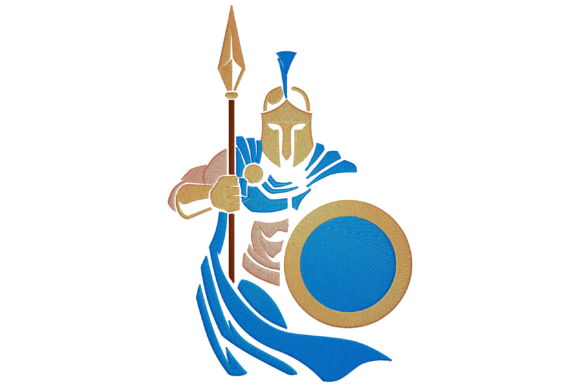
When I first opened the file for Viking Soldier, my initial thought wasn't about the technical specs or the file formats. It was about the mood. There is a distinct, rugged energy in this design that immediately sets it apart from generic geometric patterns or flowery motifs often found in standard collections. As someone who has spent years digitizing and reviewing designs for everything from boutique clothing lines to personalized family heirlooms, I look for more than just a pretty picture; I need to know if a design holds up under the needle.
This piece belongs to the Around The World category, but it feels less like a travel souvenir and more like a statement of heritage and strength. The character is rendered with a clear sense of purpose, capturing the essence of historical armor and warrior spirit without getting lost in overwhelming clutter. For a designer evaluating a digital asset, the first impression is crucial. Viking Soldier delivers a strong visual personality that promises to elevate any project it touches.
From Digital File to Finished Product
The description notes that this design is digitized by hand, which is a significant detail for anyone concerned about stitch quality. Hand-digitization usually implies a more thoughtful approach to stitch direction and density compared to automated conversion tools. In a real-world scenario, I recently considered using Viking Soldier for a custom sweatshirt line aimed at history enthusiasts and craft fair attendees. The goal was to create a product that felt premium and durable, something customers would be proud to wear.
Imagine placing this design on the chest of a heavyweight cotton fleece sweatshirt. The layout seems balanced enough to anchor the garment without overpowering the wearer. However, the success of such a project relies heavily on how the machine handles the specific textures of the fabric. When I visualize the stitching process, I see the potential for excellent definition, particularly in the helmet details and the texture of the armor plating. This is where the distinction between a cheap print and a high-quality embroidery becomes clear. With Viking Soldier, the expectation is that the raised stitches will catch the light, adding depth that flat graphics simply cannot achieve.
I also tested the concept mentally on a canvas tote bag. Tote bags are a staple for Etsy sellers and small business owners because they are versatile and practical. A bold Viking motif on a natural jute or heavy cotton tote creates an instant conversation starter. It fits perfectly into the "handmade product" aesthetic that buyers love. The design's availability in six different sizes is a major advantage here, allowing you to scale the soldier down for a baby onesie or up for a large pillow cover without losing the integrity of the image.
Navigating Fabric Challenges and Hoop Constraints
While Viking Soldier has great potential, no design is universally perfect for every surface. As an experienced reviewer, I must point out where caution is required. If you plan to use this on a curved surface like a baseball cap, you will need to be meticulous about your hoop placement. The density of the fill stitches might cause puckering if the stabilizer isn't applied correctly or if the fabric is too thin to support the weight of the thread.
Stretchy fabrics present another challenge. While this design looks fantastic on stable materials like denim, twill, or heavy cotton blends, applying it to a loose-knit jersey or a delicate silk blend could result in distortion. The running stitches and satin sections need a solid foundation to maintain their shape. For those working with dark fabrics, the choice of thread colors becomes critical. You might need to layer a cutaway stabilizer underneath to prevent the fabric from showing through the gaps in the design, ensuring the final product looks professional rather than rushed.
Small hoop sizes are another area to watch. Although the design comes in various sizes, if you attempt to stitch the largest version in a very small hoop, you risk running out of space for proper registration. Always check your machine's capabilities before starting. If you are creating an embroidered patch, the edges need to be clean, so ensure the design includes adequate border space or that you plan to add a merrowed edge manually. For detailed corners, the resolution of the digitization will determine whether fine lines remain crisp or if they blur together during the stitching process.
Building Value and Customer Trust
In the world of handmade goods and commercial embroidery, the finished product is your brand's voice. A well-executed Viking Soldier design signals attention to detail and craftsmanship. Customers can tell the difference between a sloppy stitch job and one that respects the artistry of the original image. When you sell a personalized gift or a boutique item featuring this design, the quality of the embroidery directly impacts customer trust and repeat business.
Consider the emotional impact on the recipient. A baby item embroidered with a Viking theme might seem unexpected, but it offers a unique twist on traditional nursery decor. It suggests strength and protection, making it a memorable gift for parents who appreciate something outside the norm. Similarly, for holiday gifts or wedding favors, this design adds a touch of historical romance and adventure. It transforms a simple textile into a keepsake that tells a story.
For Etsy sellers and digital product creators, the versatility of Viking Soldier means you can market it across multiple niches. You can create printable mockups showing the design on aprons, kitchen towels, and wall hangings to attract different segments of buyers. The key is to showcase how the design adapts to different contexts while maintaining its core identity. Whether it is used for a small shop product line or a personal hobby project, the design assets provide a solid foundation for creativity.
Practical Notes for the Modern Maker
Before you commit to a full production run, there are essential steps every designer should take. First, always test the design on scrap fabric that matches your final material. This allows you to observe how the stitch density interacts with the fabric texture and whether the thread colors pop as expected against the background. If you are working with a machine embroidery design that includes complex fill stitches, checking the tension settings is vital to avoid bird nesting or thread breaks.
Review the hoop size requirements carefully. Ensure your machine can accommodate the dimensions of the design in the intended format. If you are planning to use this for commercial embroidery projects, double-check the licensing terms provided by the creator. Some files are for personal use only, while others allow you to sell the finished items. Understanding these distinctions protects your business from legal issues and ensures ethical practices within the crafting community.
Finally, don't forget to inspect the small details. Zoom in on the digital preview to see if any tiny elements look jagged or disconnected. Sometimes, what looks good on a screen can appear slightly off when stitched. By taking the time to verify these aspects, you ensure that your finished product meets the high standards your customers expect. Viking Soldier is a powerful addition to any library, offering a blend of historical charm and modern utility that works beautifully when handled with care.