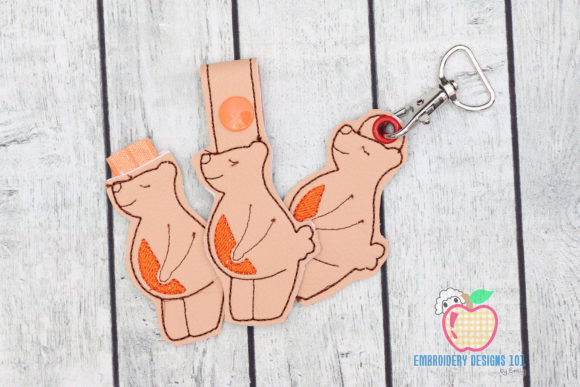
Brown Bear in the Forest Quick Stitch Review
As an experienced embroidery designer who frequently scouts for digital assets to use in real-world commercial projects, I recently evaluated a specific design titled Brown Bear in the Forest Quick Stitch. When you are working on tight deadlines for Etsy listings or preparing inventory for a craft fair, finding a file that balances charm with technical feasibility is crucial. This review focuses on whether this machine embroidery design is a viable addition to your library for creating tote bags, baby blankets, and custom apparel.
First Impressions and Visual Mood
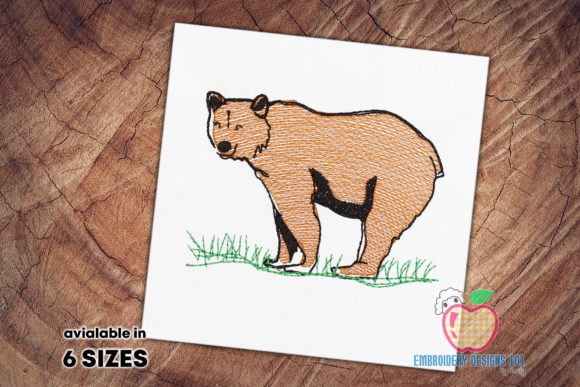
The immediate appeal of Brown Bear in the Forest Quick Stitch lies in its approachable aesthetic. Unlike highly detailed wildlife designs that require extensive digitizing time and precise hooping, this design offers a playful, storybook quality. The visual mood suggests a cozy, rustic atmosphere, making it perfect for nursery decor, seasonal gifts, or nature-themed merchandise. The description notes that these are "not 100 filled," which is a significant detail for anyone looking to reduce thread consumption and stitching time while maintaining a clean look.
This lack of heavy fill stitch density means the design relies on open areas and likely running stitches or light satin work to define the bear and the forest elements. For designers, this translates to a softer texture on the finished product. It feels less like a rigid patch and more like a gentle illustration stitched onto fabric. This personality makes it ideal for items where comfort is key, such as sweatshirts, aprons, or baby clothing, rather than stiff denim patches that might feel harsh against the skin.
Performance in Real Embroidery Projects
I considered using Brown Bear in the Forest Quick Stitch for a series of handmade products, ranging from kitchen towels to cap embroidery. In terms of performance, the "Quick Stitch" designation implies efficiency, but does it hold up under scrutiny? When placed on a tote bag design, the lighter fill allows the background fabric color to show through slightly, adding depth without overwhelming the garment. This is particularly effective on canvas or cotton twill where you want the texture of the material to remain visible.
For custom apparel like sweatshirts, the design's moderate complexity prevents the fabric from becoming too rigid. Heavy fill stitches can sometimes cause a sweatshirt to lose its drape, but a design with reduced density maintains the soft hand-feel that customers expect from high-quality garments. Similarly, when applied to baby blankets or pillow covers, the gentle nature of the stitches ensures there are no rough edges or overly dense spots that could irritate sensitive skin.
However, the versatility extends beyond just home goods. If you are selling embroidered patches, this design could serve as a base for a larger collection. Its clear outlines suggest it would translate well to a cut-out patch, provided the edges are stabilized correctly. For digital product sellers creating printable mockups, the clean lines of the design allow for easy placement on various product images, helping you visualize how the final item will look before a single stitch is made.
Practical Considerations and Technical Challenges
While the design is marketed as fun and easy, every professional knows that real-world application requires careful planning. One of the first things to check is the hoop size compatibility. If you intend to use this for small items like caps or patches, ensure the design fits within the maximum dimensions of your machine's hoop. Small details in wildlife designs can sometimes get lost if the scale is too large for the intended surface area.
Thread color contrast is another critical factor. Because the design is not fully filled, the choice of thread colors becomes paramount. On dark fabric, standard brown threads might disappear into the background, reducing the visibility of the bear. You may need to select lighter or higher-contrast thread colors to ensure the design pops. Conversely, on light fabrics, the natural tones of the bear should blend beautifully, creating a subtle yet distinct image.
Stabilizer selection is equally important. Since the design features potential textured elements and varying stitch types, using the correct stabilizer will prevent puckering. For stretchy fabrics like jersey used in t-shirts or sweatshirts, a cut-away stabilizer is often necessary to maintain shape over time. For woven items like kitchen towels or tote bags, tear-away stabilizers usually suffice. Always test on scrap fabric first to confirm that the stitch density works well with your specific material.
Impact on Product Value and Brand Consistency
In the world of handmade goods, presentation is everything. A well-executed design like Brown Bear in the Forest Quick Stitch can significantly enhance buyer trust. Customers appreciate designs that look intentional and professionally stitched. When the embroidery sits flat and the colors are vibrant, it signals quality craftsmanship. This attention to detail helps justify a higher price point for your finished products, whether they are sold at a boutique or listed on an online marketplace.
Furthermore, the cohesive look of this design supports brand consistency. If you are building a line of nature-inspired products, having a signature style that includes animals and forests helps create a recognizable identity. The design's friendly vibe also increases giftability, making it a top choice for personalized gifts during holidays or special occasions. When photographing your finished products, the soft lighting requirements of this design mean you don't need complex setups to capture the texture; natural light often highlights the best qualities of such embroidery files.
Essential Steps Before Selling Finished Items
Before committing to a full production run, there are several practical steps every designer must take. First, always verify the license terms on the Creative Fabrica product page. Understanding the rules regarding commercial use is vital for protecting your business. Some licenses allow unlimited sales, while others may have restrictions on the number of units produced.
Next, inspect the file details closely. Check the stitch count and confirm the file formats available (such as .dst, .pes, or .exp) to ensure compatibility with your embroidery machine. Review the recommended sizes to see if they align with your target products. If you plan to sell the digital embroidery file itself, double-check the specific terms regarding redistribution.
Finally, conduct a thorough test run. Stitch the design on a piece of your actual product fabric using the same stabilizer and thread colors you plan to use for customers. Inspect the back of the work for any loose threads or excessive pull marks. Check the small details to ensure they haven't merged together due to density issues. By taking these precautions, you ensure that every finished product leaving your studio meets the highest standards of quality.
In conclusion, Brown Bear in the Forest Quick Stitch appears to be a valuable asset for designers looking to expand their Wild Animals category offerings. Its balance of simplicity and charm makes it suitable for a wide range of applications, from commercial embroidery to personal DIY projects. With proper testing and attention to material choices, this design can help elevate your handmade product line and delight your customers.