Crawling Eartworm Redwork: A Designer's Review for Boutique Apparel
As an embroidery designer who spends countless hours planning collections for boutique brands and handmade shops, I am always on the lookout for designs that offer versatility without sacrificing character. Recently, I came across a unique piece titled Crawling Eartworm Redwork while browsing Creative Fabrica. At first glance, it caught my eye not just for its subject matter, but for the specific potential it holds for creating cohesive lines of custom apparel. Whether you are an Etsy seller looking to expand your catalog or a small shop owner preparing a seasonal hoodie drop, understanding how a design like this translates from screen to fabric is crucial.
First Impressions: Mood and Visual Personality
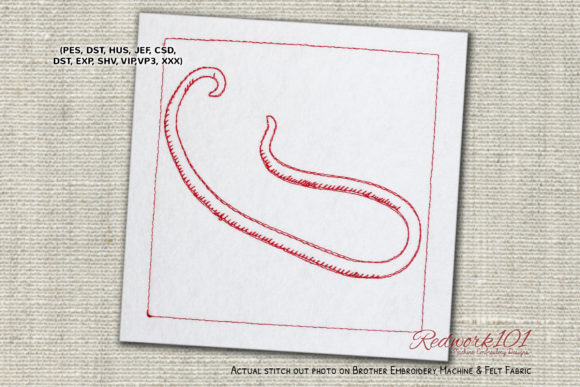
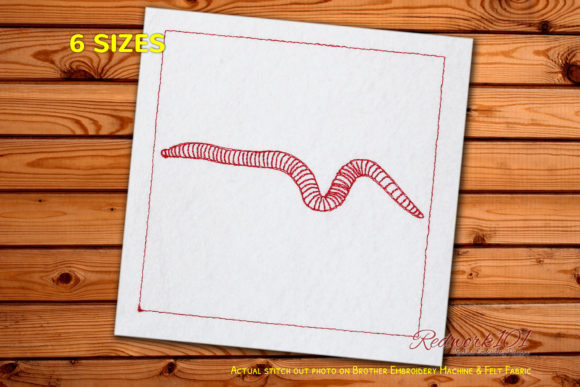
The moment I opened the file for Crawling Eartworm Redwork, the aesthetic felt distinctly playful yet grounded in a classic redwork tradition. The visual personality is one of rustic charm mixed with modern whimsy. Unlike dense, high-detail satin stitch files that can sometimes feel heavy on lightweight fabrics, this design relies on clean outlines and open spaces. It feels minimal enough to work well on a variety of garments, from oversized sweatshirts to fitted t-shirts, but detailed enough to serve as a focal point.
The "bugs" category often yields designs that are either too cartoonish or too realistic for general fashion wear. This particular design strikes a balance. It has a decorative strength that makes it suitable for lifestyle product photos and social media graphics. The mood is casual and approachable, which suggests it would perform exceptionally well on pastel hoodies or neutral sweatshirts where the stitching stands out without overwhelming the garment's silhouette. For a brand identity focused on fun, nature-inspired, or cottage-core aesthetics, this file offers a premium look that elevates a simple tote bag or denim jacket.
Strategic Application on Sweatshirt and Hoodie Collections
When planning a small sweatshirt or hoodie collection, placement is everything. I immediately envisioned Crawling Eartworm Redwork used for chest placement on a heather grey hoodie. The outline style allows the texture of the fleece to show through slightly, creating a soft, tactile appeal that customers love. Because the design features a box stitch option that is described as optional, it provides a layer of flexibility for designers who want to add structure or keep things purely organic.
For sleeve accents, this design works beautifully as a small motif near the cuff. It adds a touch of personality to an otherwise plain garment without requiring a massive hoop size. If you are working on back designs, the simplicity of the redwork style means it won't compete with large text or other graphic elements. You could create a series of matching items—a sweatshirt with the worm on the chest and a tote bag with the same design on the side—creating a unified boutique brand look. The design also translates well to dark garments if you choose a contrasting thread color, though I recommend testing the visibility carefully before mass production.
Expanding Beyond Apparel: Totes and Accessories
The versatility of Crawling Eartworm Redwork extends far beyond clothing. As a digital embroidery file, it is perfect for decorating canvas tote bags, which are popular merchandise items for creative entrepreneurs. The clean lines hold up well on the sturdy fabric of a tote, making it an excellent choice for commercial embroidery products sold at craft fairs or online stores. Additionally, it serves as a great candidate for printable mockups. When showcasing your finished product on an Etsy listing, a redwork design often looks crisp and professional, helping to build buyer trust and product recognition.
Technical Considerations and Potential Pitfalls
While the design is promising, every experienced embroiderer knows that success lies in the execution. There are specific areas where Crawling Eartworm Redwork requires careful attention. One primary concern is the application on stretchy fabrics like ribbed cuffs or tight-fitting t-shirts. Without proper stabilizer support, the design may pucker, distorting the crawling shape of the worm. It is essential to test on scrap fabric that matches the final garment material to ensure the stitch density remains stable.
Dense stitch areas can be tricky on fleece materials. If the design includes any areas of high density, they might feel stiff against the skin. For a comfortable finished product, you must verify the stitch count and potentially adjust the underlay settings in your digitizing software. Furthermore, curved surfaces like the shoulders of a hoodie or the rounded top of a hat can present challenges. Placing the design in these areas requires precise hooping techniques to avoid distortion. If you plan to use the optional outer box mentioned in the description, remember that the color of this box can vary. Most designs allow you to skip this color if it does not fit your palette, which is a significant advantage for maintaining visual consistency across a collection.
Enhancing Brand Value and Professional Presentation
Using a well-executed design like Crawling Eartworm Redwork directly impacts the perceived value of your handmade product. High-quality embroidery signals professionalism and care, which fosters customer engagement and repeat business. When a buyer sees a consistent, clean stitch pattern on a sweatshirt, it reinforces their confidence in your boutique brand. The design's playful nature can also differentiate your store from competitors selling generic prints, offering a unique selling proposition that resonates with niche audiences.
For digital sellers creating mockups, the clarity of the redwork style ensures that the design looks sharp even in smaller thumbnail images on search engines. This visual consistency helps in driving traffic to your listings. However, to maintain this professional presentation, you must adhere to strict quality control. Inspect every stitch density check and confirm that the thread colors provide the necessary contrast against the fabric texture. A muddy or poorly defined design can detract from the overall appeal, no matter how cute the concept is.
Practical Designer Notes for Production
Before integrating Crawling Eartworm Redwork into your commercial embroidery workflow, there are several practical steps to take. First, always review the Creative Fabrica product details and licensing agreements to ensure you have the rights to sell finished goods. Next, conduct a thorough test run on a similar garment fabric. Check the hoop size required; some designs need larger hoops to accommodate the full layout without cutting off parts of the design during machine movement.
Pay close attention to the stabilizer choice. For sweatshirt embroidery, a cut-away stabilizer is often recommended to prevent stretching over time, whereas tear-away might suffice for lighter fabrics. Compare placement options by marking the center of the garment and ensuring the design sits correctly relative to the neckline and seams. If the design includes the optional box stitch, decide early on whether you want to include it or skip the color entirely based on your colorway strategy. Finally, inspect the final output for any loose threads or skipped stitches that could compromise the integrity of the piece.
In conclusion, Crawling Eartworm Redwork represents a solid addition to any library of machine embroidery designs intended for boutique apparel. Its blend of whimsical character and technical simplicity makes it adaptable for a wide range of projects, from cozy seasonal outfits to trendy streetwear. By approaching the digitization process with care and respecting the nuances of fabric and thread, designers can transform this digital file into a tangible asset that drives sales and strengthens their brand identity in the competitive world of handmade commerce.