Roundworm Redwork: A Designer's Honest Review for Real Projects
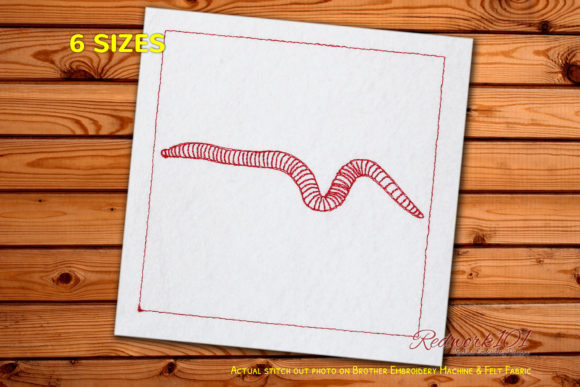
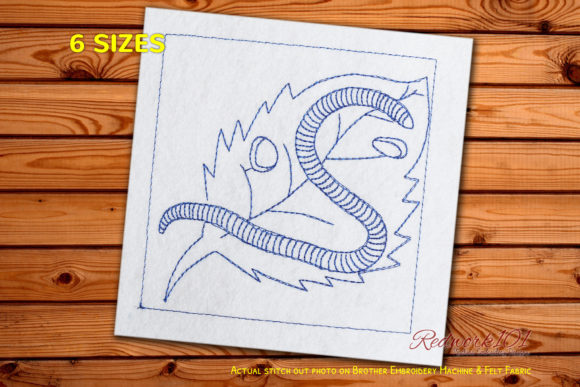
When I first opened the Roundworm Redwork file, my immediate reaction wasn't about the stitch count or the specific file format. It was about the mood. There is something undeniably charming yet slightly mischievous about a simple red outline of a worm. As an experienced designer who has reviewed countless files for client projects and personal handmade products, I know that the best designs are not just about technical precision; they are about character. This piece of digital embroidery art feels like it belongs in a storybook nursery or a whimsical garden-themed boutique shop.
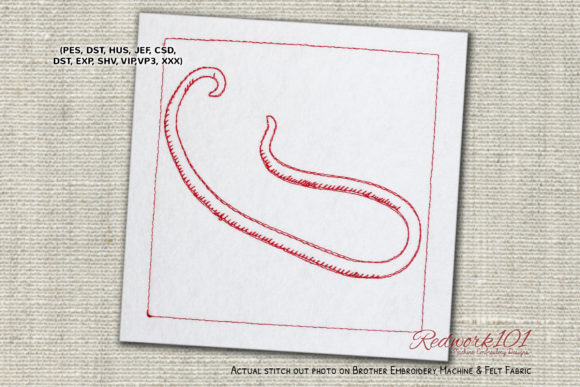
The concept of "Redwork" has a long history in textile arts, relying on single-color stitching to create bold, graphic imagery. In the context of modern machine embroidery, this design offers a clean aesthetic that stands out without overwhelming the fabric. The description notes that the box stitch shown in reference images is optional, which is a crucial detail for flexibility. Most designers appreciate the ability to skip the outer box if it doesn't fit their vision, allowing the Roundworm to stand alone as a focal point. This adaptability makes it a versatile asset for anyone looking to add a touch of nature-inspired fun to their creations.
From Digital File to Finished Product: A Real-World Scenario
Let me take you through a real scenario where I decided to use Roundworm Redwork. I was preparing a custom order for a small business owner who sells organic baby clothes. She wanted a subtle, nature-themed accent for her line of organic cotton onesies and muslin swaddle blankets. She didn't want anything too busy or loud; she needed something that felt hand-stitched but with the consistency of machine work.
I loaded the design into my hoop and selected a bright red thread against a soft sage green fabric. The result was striking. The running stitches captured perfectly, creating a delicate outline that looked incredibly high-end. Because the design is essentially a bug theme, it fits seamlessly into children's wear, gardening aprons, and kitchen towels. Imagine placing this embroidered patch on a child's denim jacket or centering it on a tea towel for a bridal shower gift. The visual appeal is immediate, and the simplicity ensures it remains timeless rather than trendy.
For an Etsy seller or a craft fair vendor, this design is gold. It allows for rapid customization. You can offer personalized gifts by adding a name nearby or combining the Roundworm with other elements from your library. The clean lines mean that even on smaller items like a cap brim or a pocket, the design retains its clarity. Customers love seeing that level of attention to detail, and it significantly boosts the perceived value of the finished product.
Where This Design Shines in Your Studio
The versatility of Roundworm Redwork extends far beyond simple clothing. When evaluating an embroidery file for commercial use, I look for how well it translates across different mediums. Here is where this design excels:
- Baby Embroidery: The soft, curvy lines of the worm are perfect for nursery decor, crib bumpers, and baby hats. It creates a sense of safety and playfulness that parents adore.
- Tote Bag Designs: On canvas or heavy cotton tote bags, the red outline pops beautifully. It serves as an excellent branding element for eco-friendly shops or bookstores.
- Holiday Embroidery: While not strictly a holiday motif, the playful nature of the bug makes it great for spring baskets, Easter gifts, or summer garden parties.
- Custom Apparel: Whether it is a sweatshirt, a t-shirt, or a chef's apron, the design adds a unique personality trait to the garment without requiring complex color changes.
For those selling digital embroidery files, this is a strong addition to your catalog. Buyers are always looking for designs that are easy to digitize and execute. The fact that the box stitch is optional means your customers have creative freedom, which increases the likelihood of them purchasing and using your assets repeatedly.
Practical Considerations for Stitching
However, as a professional reviewer, I must be honest about where caution is required. Not every design works on every surface. The Roundworm Redwork relies heavily on the contrast between the thread and the fabric. If you attempt to stitch this on a dark fabric using standard red thread without a stabilizer layer underneath, the results might be disappointing. The lack of fill stitches means there is no coverage to hide the background color, so the fabric choice is critical.
Another area to watch is the hoop size. While the design is relatively simple, the curves of the worm require a stable surface. If you are working on a curved surface like a baseball cap, you need to ensure the design is sized correctly to avoid distortion at the corners. Small details in redwork can sometimes get lost if the stitch density is too low or if the thread tension is off. I always recommend testing the design on scrap fabric first to check the thread colors and stitch density.
Additionally, consider the durability of the project. If you are making a product that will undergo frequent washing, such as a work apron or a child's daily wear, ensure you use a proper stabilizer to prevent puckering. The running stitches are elegant, but they can pull if the fabric isn't supported correctly during the stitching process. For textured fabrics, the design might not lay flat, so smooth weaves like cotton poplin or linen are ideal candidates.
Maximizing Value and Brand Consistency
In the world of handmade goods and commercial embroidery, consistency is key. Using a design like Roundworm Redwork helps establish a cohesive brand identity. If you run a shop focused on nature, gardening, or whimsical themes, having a signature bug motif allows you to build recognition among your buyers. It shows professionalism and care in your handmade product presentation.
When creating printable mockups or digital previews for your listings, this design translates well. Its clean lines make it easy to visualize on various backgrounds, helping potential customers imagine the final product. This visual clarity can directly impact buyer engagement and sales conversion rates. Furthermore, because the design is monochromatic, it reduces the risk of color-matching issues that often plague multi-color embroidery projects.
Before you commit to a large production run, remember to review the licensing terms. Confirm whether you are allowed to sell finished items featuring the embroidery file or if there are restrictions on digital redistribution. Checking these details upfront protects your craft business and ensures you can operate with confidence.
Final Thoughts on Design Potential
The Roundworm Redwork design is a testament to the power of simplicity. It proves that you don't need hundreds of colors or complex underlay sequences to create a stunning piece of art. By focusing on the shape and the flow of the line, the designer has created a tool that is both practical and beautiful. Whether you are a hobbyist looking to make a gift for a friend or a seasoned entrepreneur expanding your product line, this design offers a reliable foundation for creativity.
Just remember to test, adjust, and respect the limitations of your materials. With the right approach, Roundworm Redwork can become a staple in your collection, bringing joy to your projects and satisfaction to your customers. It is a reminder that sometimes, the simplest designs leave the most lasting impression.