Dandelion Dispersing Nature Redwork Review
As a professional embroidery designer who spends countless hours evaluating digital assets for commercial production, I recently came across Dandelion Dispersing Nature Redwork on Creative Fabrica. When I first saw the preview, my immediate thought was about its potential for spring-themed collections and delicate nursery items. However, before committing to a full production run for a client's boutique line, I needed to look past the pretty visual and analyze how this design would actually perform in a real-world embroidery machine.
The concept of a dandelion dispersing seeds is timeless, but executing it in redwork requires a specific balance of line weight and spacing. This embroidery file promises a clean, linear aesthetic that fits perfectly into the current trend of minimalist botanical art. The product description notes an optional box stitch and mentions that outer colors may vary, which suggests a high degree of customization for the end user. For designers looking to create custom apparel or handmade products without the clutter of heavy fill stitches, this seems like a promising candidate.
First Impressions: Visual Mood and Design Personality
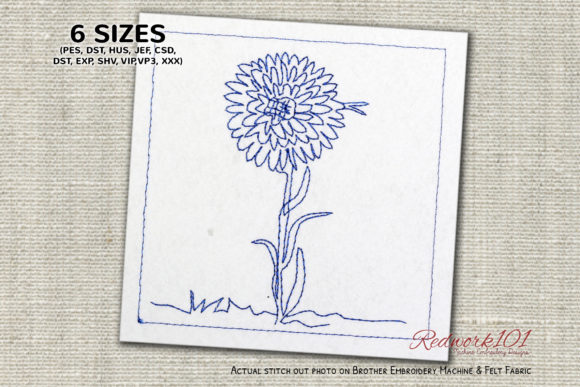
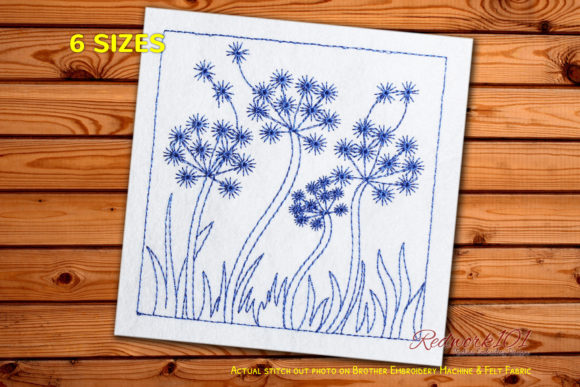
Upon reviewing the Dandelion Dispersing Nature Redwork design, the visual mood is undeniably airy and light. Unlike many dense floral designs that can feel heavy on smaller garments, this piece relies on the elegance of outline work. It feels particularly suited for spring projects where a touch of nature is desired without overwhelming the fabric. The "dispersing" aspect of the dandelion seeds offers a dynamic flow that adds movement to what could otherwise be a static image.
The detail level appears sufficient for standard hoop sizes, though the fine lines of the seed heads will require careful attention during digitizing review. The stitching personality is classic and versatile; it mimics hand-stitched embroidery, which adds a layer of perceived value to any finished product. Whether you are selling on Etsy or creating inventory for a craft fair, this design has the potential to elevate simple items like kitchen towels or aprons into premium gifts.
Real-World Performance in Commercial Projects
I often test designs by imagining them on specific customer orders. If I were to use Dandelion Dispersing Nature Redwork for a custom tote bag, the results would likely be striking. The open nature of the design allows the texture of the canvas to show through, creating a sophisticated look that appeals to modern buyers. Similarly, for sweatshirt embroidery, the lack of excessive density means the garment remains soft and comfortable, avoiding the stiff, board-like feel that sometimes plagues heavily stitched patches.
This design also shines in the realm of baby items. A baby blanket or a onesie benefits from the gentle curves of the dandelion seeds. Parents often prefer softer, less aggressive graphics for infants, and the redwork style provides just enough definition to be visible without being harsh. For those creating embroidered patches, the clean lines should cut out well, provided the backing is applied correctly. The design's simplicity makes it adaptable for commercial embroidery on various surfaces, including pillow covers and cap fronts.
Considerations for Small Hoops and Tiny Details
One area that requires caution is the scale of the design. If you plan to use this on a tote bag design or a small pocket, you must verify the dimensions against your machine's capabilities. Fine running stitches and satin outlines can sometimes get lost if the hoop size is too large relative to the design, or conversely, if the design is too small, the details may blur together. I strongly advise checking the stitch density and ensuring that the thread colors chosen provide adequate contrast against your fabric. On dark fabrics, a standard white thread might not pop enough, so consider using metallics or darker shades for a unique effect.
When working with stretchy fabrics like jersey for t-shirts or sweatshirts, stabilizer choice becomes critical. While redwork is generally forgiving, the dispersing seeds are thin elements that can distort if the fabric shifts during stitching. Using a tear-away or cut-away stabilizer appropriate for the fabric weight will ensure the integrity of the embroidery file remains intact.
Impact on Product Value and Brand Consistency
In the world of handmade goods, presentation is everything. A well-executed digital embroidery file like this one can significantly boost buyer trust. Customers paying a premium for personalized gifts expect precision. If the Dandelion Dispersing Nature Redwork design stitches cleanly with no skipped stitches or puckering, it reflects positively on the artisan's skill. This consistency is vital for building a brand that customers recognize and return to.
Furthermore, the aesthetic appeal of this design enhances product photography. The clean lines photograph beautifully, making it ideal for creating printable mockups for online listings. When showcasing items like kitchen towels or pillow covers, the design allows the fabric color to play a role in the final look, giving you flexibility in your color palette. This versatility supports a cohesive brand identity where different products can share a common visual theme without looking repetitive.
Practical Embroidery Notes for Success
Before diving into production, there are several practical steps every designer should take. First, always test on scrap fabric that matches the intended material. This helps you gauge how the running stitch and any satin stitch elements behave on that specific weave. Pay close attention to the transition points where the dandelion seeds meet the main stem; these areas often reveal issues with tension or underlay.
If the design includes the optional box stitch mentioned in the description, decide early whether it fits your project. Sometimes, skipping the outer box creates a more organic look that better suits the "dispersing" theme. You should also confirm the file details and licensing terms on the Creative Fabrica product page before selling finished items. Understanding the design assets usage rights is crucial for protecting your business.
Inspect small details after stitching, especially on curved surfaces like caps. The curvature can alter the appearance of straight lines, so a mockup or a test run is essential. Additionally, compare light and dark fabric mockups to ensure the thread colors selected maintain visibility. If the design is intended for frequent washing, such as on aprons or tote bags, ensure the stitch count is robust enough to withstand wear without fraying.
Final Thoughts on Versatility
Dandelion Dispersing Nature Redwork stands out as a versatile tool in the arsenal of any creative entrepreneur. Its ability to bridge the gap between delicate artistic expression and practical application makes it a strong contender for embroidery design portfolios. Whether you are an experienced decorator or a new seller looking to expand your catalog, this design offers a reliable foundation for creating beautiful, marketable items.
By taking the time to evaluate the design's performance on different materials and considering the nuances of machine embroidery, you can ensure that your final products meet the highest standards. The key lies in preparation: testing your setup, selecting the right thread colors, and respecting the limitations of the fabric. With the right approach, this design can help you produce stunning handmade products that resonate with customers looking for quality and charm.