Toy Airplane Embroidery Design Review
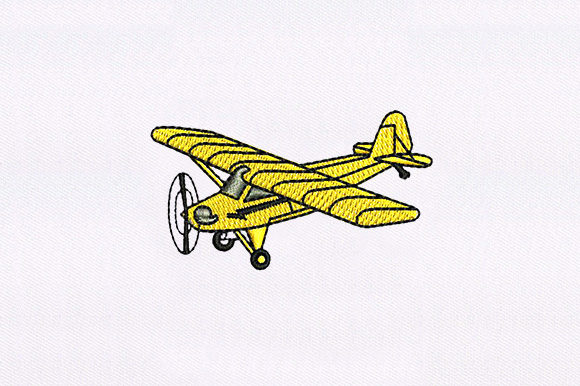
As an experienced embroidery designer preparing for a busy weekend craft fair, I am constantly evaluating new digital assets to see if they have the potential to become best-selling items in my booth. Today, I am reviewing the Toy Airplane machine embroidery design. The description promises that this item will "never fly away from your creations," a playful hook that immediately suggests a product with strong emotional appeal for parents and children alike. My goal is to determine if this design can stand out on a crowded table filled with handmade goods or if it requires too much effort to justify its return.
First Impressions and Visual Appeal
The title Toy Airplane sets a clear expectation: this is not a high-end, minimalist aviation logo, but rather a whimsical, child-friendly motif. Based on the description's focus on creating cool t-shirts, hoodies, and sweatshirts, I anticipate a design that balances boldness with cuteness. In the world of handmade products, visual clarity is everything. A design must catch a customer's eye from three feet away. If this embroidery file features clean lines and distinct shapes, it will translate well into a focal point for children's clothing. However, if the design relies on tiny details or extremely small lettering, it risks losing its charm when stitched onto fabric. For a craft fair setting, where customers often browse quickly, the design needs to be instantly recognizable as a fun airplane without requiring close inspection.
Product Versatility for Market Sellers
The true value of a digital embroidery file lies in its versatility. Can I use this single asset to create a diverse range of products that appeal to different demographics? Let's look at how the Toy Airplane might perform across various categories.
- Tote Bags and Market Bags: This is likely the highest-volume seller. A large, colorful airplane on a canvas tote bag is a classic gift item. It works perfectly for school runs, library trips, or beach days. The design serves as a perfect accent or a central statement piece depending on the placement.
- Apron Embroidery and Tea Towel Embroidery: While less obvious than clothing, these items are excellent for adding a touch of whimsy to a kitchen. Imagine a child's name stitched above a Toy Airplane on a cotton apron. It transforms a functional item into a personalized keepsake.
- Caps and Patches: Creating an embroidered patch featuring this design could be a great upsell. Parents love matching their child's outfit with accessories like caps or patches for backpacks. The durability of a patch makes it ideal for active kids.
- Pillow Covers and Fabric Pouches: For home decor, this design adds a soft, rustic, or modern touch depending on the thread colors chosen. Small pouches for storing toys or art supplies are also practical products that highlight the design's playful nature.
For an Etsy seller or boutique maker, offering this design across multiple product types allows for a cohesive collection. You can market a "Little Pilot" set that includes a hoodie, a matching cap, and a tote bag, significantly increasing the average order value.
Production Practicality and Batch Efficiency
When running a small business, time is money. I need to know if this design is efficient to produce. Is it easy to understand at a glance? Does it require excessive hooping and repositioning? A good craft fair product should be reproducible in batches without constant adjustments. If the stitch density is too high, the fabric may pucker, leading to wasted materials and frustrated customers. Conversely, if the stitches are too sparse, the design may look cheap on textured fabrics like heavy towels or denim trousers.
I would test this design by creating a few printable mockups first to visualize the scale. Then, I would move to real fabric to check the thread contrast. For example, bright yellow thread on a white shirt might wash out, whereas navy blue on a grey hoodie would pop. The design must photograph well for online listings, so the texture of the stitches should be visible in photos but not so dense that it looks muddy. If the design feels repeatable and robust, it becomes a staple for my inventory.
Critical Considerations and Careful Use
Before putting this design into full production, there are specific technical challenges I must address. Dense stitch areas can cause issues on thin fabrics, causing them to tear or wrinkle. Tiny details within the airplane propeller or windows might disappear entirely if the design is digitized poorly or if the hoop size is too small. Furthermore, working on curved surfaces like baseball caps requires precise stabilization; otherwise, the alignment will be off, ruining the aesthetic of the finished product.
Dark fabrics present another hurdle. If the design uses light threads, I will need a heavy backing or a top stabilizer to ensure the colors remain vibrant. Textured towels can also hide the intricacies of the stitching, making the design look flat. I must verify that the design assets provided include instructions for different fabric types. If the description mentions "multiple embroid," I assume there are variations, but I still need to confirm the file formats and compatibility with my machine before committing to a large run.
Strategic Designer Notes for Success
To ensure the Toy Airplane delivers a premium feel and maximizes brand consistency, I follow a strict workflow. First, I always test the design on scrap fabric to check the hoop size and tension. This step prevents costly mistakes during actual production. Next, I review the spacing to ensure the design fits the intended garment without looking cramped. Using the right stabilizer is non-negotiable; it provides the foundation for crisp stitches, especially on stretchy materials like hoodies or sweatshirts.
I also insist on creating at least one real mockup before listing the product. A digital rendering cannot capture the tactile quality of embroidery. Customers buy handmade goods because they want to feel the quality. By comparing different fabric colors and thread combinations, I can curate a palette that appeals to the target audience. Finally, I double-check the commercial licensing terms. As a commercial embroidery professional, I must ensure I have the legal right to sell finished products made from this design. Without proper licensing, even the most beautiful design is a liability.
Final Verdict for Booth Displays
The Toy Airplane has the potential to be a standout item in a handmade shop or at a weekend market. Its playful theme resonates with families, and its application across clothing, home decor, and accessories offers ample opportunities for creativity. If executed with attention to detail regarding fabric choice and stabilization, it will enhance the visual appeal of any booth display. It encourages buyer engagement by sparking conversations about customization and personalization. By treating this design with the care of a professional artist—testing, refining, and presenting it beautifully—it can transform from a simple digital file into a cherished handmade product that customers take pride in owning.