Two Delicious Cherries: A Designer's Real-World Review
As someone who has stitched thousands of designs for clients and craft fairs, I know that the difference between a good product and a great one often comes down to how a design translates from a digital file to a physical object. Today, I am putting Two Delicious Cherries through its paces to see if it truly delivers on its promise as a high-quality machine embroidery design. This isn't just about looking at a pretty picture; it is about understanding how this piece will perform when you are under pressure to deliver a finished product for a busy customer.
The First Impression: Mood and Visual Personality
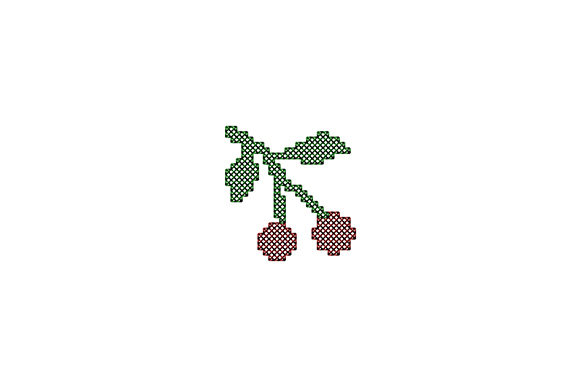
When you first open the file for Two Delicious Cherries, the immediate feeling is one of warmth and approachability. The description mentions that these tasty cherries are made in a cross, which suggests a geometric yet organic layout. In my experience, designs with a cross-stitch aesthetic often have a charming, nostalgic quality that appeals to buyers looking for something handmade and personal. The ripe cherries symbolize femininity and beauty, a theme that resonates deeply with customers seeking gifts for loved ones or items that add a touch of softness to their home decor.
The visual personality here is playful but not chaotic. It does not scream for attention like some bold graphic tees might; instead, it whispers invitation. This makes it an excellent candidate for projects where subtlety is key. The shape feels balanced, suggesting that the stitch density is likely well-calculated to prevent puckering while maintaining the definition of the fruit and stem details. For a designer eye, this balance is crucial because it dictates whether the final item will look professional or amateurish.
Real-Life Application: From Screen to Stitch
Let me walk you through a scenario where I would actually deploy this design. Imagine you are an Etsy seller preparing a custom order for a boutique kitchen collection. You need a tea towel design that screams "homey" without being cluttered. Two Delicious Cherries fits this brief perfectly. The concept of ripe cherries on a linen background creates an instant connection to summer picnics and fresh baking.
However, consider the versatility beyond just kitchen linens. If you are a small business owner creating custom apparel, this design could work beautifully on a baby onesie or a toddler's dress. The feminine symbolism aligns well with nursery themes, and the size appears suitable for chest placements or back yokes on sweatshirts. I can easily envision a mother ordering a personalized gift set that includes a matching tote bag design and a pillow cover, all featuring the same cohesive cherry motif. The consistency in the design assets allows for strong brand recognition across different products.
For commercial embroidery projects, such as corporate merchandise for a bakery or a cafe, this design adds a friendly, welcoming vibe. It is not too aggressive, making it safe for general audiences. When used on a cap or a hat, the curved surface might challenge the geometry of the cross pattern, but if the design is digitized correctly, it should follow the curve of the brim or front panel gracefully. The key is ensuring that the fill stitches do not bunch up on the fabric texture of a baseball cap.
Where Caution Is Required
While the potential is high, there are specific situations where Two Delicious Cherries requires careful consideration. Small hoop sizes are the first red flag. If you attempt to stitch this on a very narrow patch or a tiny accessory, the details might get lost or the cross pattern could become distorted. Always check your hoop size requirements before committing to a production run.
Fabric choice is another critical factor. Textured fabrics like thick wool or heavy denim can obscure the finer lines of the cherries. Similarly, thin fabrics like silk or lightweight rayon require a stabilizer that is robust enough to support the weight of the thread without tearing. Stretchy fabrics, such as jersey knits used for t-shirts, demand a stabilizer that prevents the design from distorting during wear. If the stitch density is too high for a stretchy material, the embroidery may pucker over time, ruining the professional look of the finished product.
Dense stitch areas can also be problematic if the design is placed near the edge of a garment or a folded hem. The tension required to hold the cherries together might pull the fabric inward, causing the edges to curl. Additionally, dark fabrics present a challenge. Unless you use a high-density underlay or a contrasting thread color strategy, the details of the cross pattern might disappear into the background. Testing on scrap fabric is non-negotiable in these scenarios to ensure the thread colors pop against the base material.
Impact on Product Value and Customer Trust
The quality of the embroidery directly influences customer trust and the perceived value of your handmade product. A crisp, well-executed Two Delicious Cherries design signals professionalism. Customers notice the clarity of the satin stitch and the neatness of the running stitch. If the design looks sloppy, they assume the entire brand is low-quality. Conversely, a clean execution enhances the giftability of the item. When a buyer receives a personalized gift with flawless stitching, they are more likely to share it on social media, providing free marketing for your craft business.
In the context of holiday embroidery, such as Christmas or Valentine's Day, this design serves as a versatile accent. It is not tied to a single holiday, which extends its lifespan as a sellable asset. Whether it is a wedding gift for a couple who loves cooking or a boutique product for a spring sale, the cherry motif remains relevant. However, if the design is used for products that need frequent washing, such as aprons or towels, you must ensure the thread colors are colorfast and the stitch density is sufficient to withstand abrasion.
Practical Notes for the Design Professional
Before you hit the start button on your machine, there are several steps every experienced designer should take. First, test the design on scrap fabric that matches the intended project material. This allows you to inspect small details and confirm the stitch density without risking your inventory. Check the thread color contrast by reviewing the design in black and white mockups; sometimes colors that look distinct on screen blend together once stitched.
Confirming the hoop size is essential to avoid cutting off parts of the design or leaving excessive empty space. Inspect the digital embroidery file for any loose threads or unnecessary jumps that could cause breakage. Use proper stabilizer based on the fabric type; floating the fabric or using cut-away stabilizers can make a significant difference in the final drape and durability. If you plan to use this for both personal and commercial projects, verify the licensing terms explicitly. Do not assume that a purchase grants you full rights to sell the finished product unless the documentation states otherwise.
Finally, compare light and dark fabric backgrounds to see how the design adapts. The recommended color cards provided by the creator are a good starting point, but experimenting with different thread palettes can yield unique results. For instance, using gold thread for the stems on a deep green background might elevate the design for a luxury gift item. By taking these practical steps, you ensure that Two Delicious Cherries performs exactly as needed in your real-world embroidery projects, delivering a finished product that meets the high standards of modern crafters and small shop owners.