Waiter Drawing Art Review for Small Business Merch
As an experienced embroidery designer who has spent years refining digital files for commercial use, I know that selecting the right machine embroidery design is less about aesthetics and more about business strategy. When a small business owner or boutique brand looks at a file like Waiter Drawing Art, they are not just buying a graphic; they are investing in a visual asset that will define their customer's first tactile interaction with their brand. This review evaluates how this specific outline design performs when applied to real-world merchandise, from branded patches to staff uniforms.
First Impressions: Personality and Brand Alignment
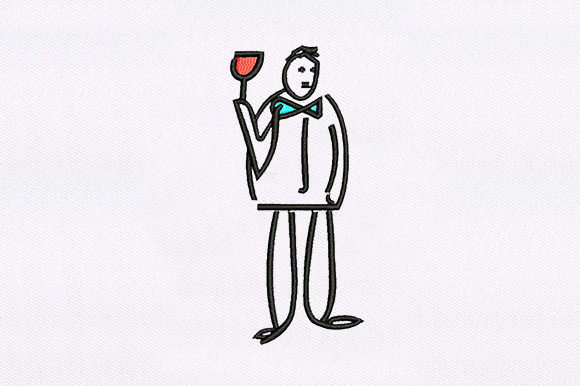
The title Waiter Drawing Art immediately suggests a narrative of hospitality and welcome. The description highlights a figure offering a glass of wine, which sets a tone that is welcoming, elegant, and slightly playful. For a small business merch project, this design feels premium yet approachable. It avoids the stiffness of corporate clipart, leaning instead toward a hand-drawn, artisanal feel that resonates well with handmade brands, crafters, and creative studios.
In the context of embroidery, the "outline" nature of this design is crucial. It implies a clean, modern aesthetic that relies on line work rather than heavy fill stitches. This makes it an excellent candidate for businesses that want a sophisticated look without the bulk. Whether you are running a café, a boutique, or a florist shop, this design conveys a sense of service and care that aligns perfectly with the hospitality industry. It feels rustic enough for a bakery but polished enough for a high-end event planner.
Real-World Application: From Patches to Packaging
When we move from the screen to the hoop, the versatility of Waiter Drawing Art becomes apparent. In my experience designing for Etsy sellers and product designers, one of the most profitable uses of this type of outline art is creating custom embroidered patches. Because the design is likely composed of distinct lines, it can be easily digitized into a patch format that adds a unique touch to denim jackets, tote bags, or aprons.
Consider a local café looking to upgrade its staff uniforms. A chest logo using Waiter Drawing Art would serve as a subtle accent, inviting customers to engage with the staff. Alternatively, placing this design on the sleeve or the back of a cap can turn a standard uniform into a statement piece. For apron embroidery, particularly in bakeries or coffee shops, this design acts as a focal point that tells a story about the quality of the service provided.
Beyond apparel, this design shines as a digital embroidery file for product add-ons. Imagine a small business selling handmade goods; adding a branded patch featuring this waiter motif to their packaging or gift boxes elevates the unboxing experience. It transforms a simple transaction into a memorable brand moment. For tote bag design, the outline style ensures the image remains legible even on textured canvas, making it a practical choice for promotional events and craft fairs.
Strategic Considerations and Potential Pitfalls
While the artistic potential is high, every professional designer knows that execution is everything. There are specific scenarios where Waiter Drawing Art requires careful handling. If you plan to use this for a small patch size, typically under two inches, you must be cautious. Outline designs can sometimes lose definition if the stitch density is too low or the spacing is too tight. On a tiny patch, the delicate lines might merge, losing the character of the drawing.
Curved surfaces, such as the front of a baseball cap, present another challenge. While the outline style is generally forgiving, complex curves in the drawing itself might distort if the underlying grid is not properly adjusted during digitization. Furthermore, if your target audience includes customers who frequently wash their items, high stitch density areas can cause puckering on lightweight fabrics. You should also consider the fabric texture; on a rough burlap or heavily textured material, fine outlines may get lost unless you adjust the thread colors for maximum contrast.
Dark uniforms require special attention. An outline design often relies on a single color thread against a contrasting background. If you are embroidering this on black or navy blue, you must ensure the thread color selected provides enough visibility. Without proper contrast, the elegance of the Waiter Drawing Art is lost, and the design appears muddy. Always test your thread colors on the actual fabric before committing to a full production run.
Impact on Brand Identity and Customer Trust
Choosing the right design assets directly influences brand identity. A poorly executed logo can signal a lack of professionalism, whereas a well-placed, high-quality embroidered detail builds trust. Waiter Drawing Art, with its friendly and welcoming imagery, humanizes your brand. It suggests that your business cares about the guest experience, whether that guest is a diner at a restaurant or a shopper at a boutique.
Visual consistency is key for custom apparel. Using this design across multiple touchpoints—caps, aprons, tote bags, and product labels—creates a cohesive brand universe. Customers recognize these visual cues, which increases recognition and loyalty. When a customer sees the waiter motif on a colleague's hat, they associate that friendly face with the quality of your service. This emotional connection drives buyer engagement and encourages repeat business.
Essential Designer Notes for Production
Before you upload any file for production, there are technical steps every serious creator must take. First, always test your design in black and white. This helps you visualize the negative space and ensures the outline flow works without the distraction of color. Second, create a printable mockup to show clients exactly how the design will look on the final product. This prevents misunderstandings regarding scale and placement.
Inspect the spacing carefully. Does the gap between the waiter and the wine glass hold up at smaller sizes? Confirm your hoop size requirements early to avoid mid-production errors. Use the proper stabilizer for your chosen fabric; a stretchy knit needs different support than a sturdy cotton twill. Finally, verify your commercial licensing terms. Ensure you have the legal right to use this file for commercial embroidery projects, especially if you are selling the finished goods.
If the file details regarding exact stitch counts or formats are not explicitly clear in the product listing, do not guess. Contact the provider or request a sample run. A finished product that fails due to poor digitization is a costlier mistake than waiting for clarification. By treating Waiter Drawing Art with the same rigor as a custom commission, you ensure that your handmade product stands out in a crowded market.