Shinto Torii Bluework: A Designer's Review for Small Business Merch
As an experienced embroidery designer who has spent years refining digital files for everything from corporate uniforms to boutique branding, I often look at a new design and immediately start visualizing its application on real-world products. Today, I am reviewing Shinto Torii Bluework, a piece that sits at the intersection of cultural symbolism and modern aesthetic utility. For small business owners, Etsy sellers, and apparel decorators looking to elevate their brand identity, understanding the practical nuances of a design like this is crucial before committing to production.
First Impressions: The Visual Personality of Shinto Torii Bluework
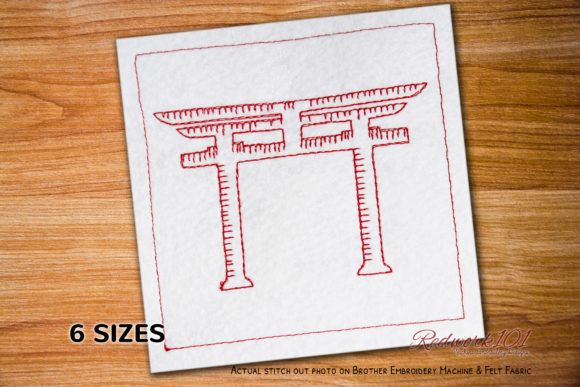
The moment you introduce Shinto Torii Bluework to your collection, it brings a distinct sense of calm and structure. The title suggests a clean, perhaps minimalist approach, likely utilizing negative space or specific line work characteristic of bluework embroidery traditions. In the context of Religion and spiritual themes, this design feels less about ornate decoration and more about intentional simplicity. It strikes a balance between being professional and friendly, making it suitable for a wide range of businesses.
Whether you run a creative studio, a local bakery, or a handmade pet brand, this design offers a premium feel without appearing overly busy. The potential for a rustic yet elegant look is high, which can significantly enhance the perceived value of your handmade product. Unlike generic clip art, a design with such a specific name implies a story, adding depth to your customer engagement and fostering a deeper connection with your audience.
Real-World Applications in Small Business Merch
When evaluating Shinto Torii Bluework for commercial use, its versatility shines across various merchandise categories. For a café or coffee shop, this design could serve as a sophisticated chest logo accent on staff aprons, instantly communicating a theme of mindfulness or artisanal quality. The clean lines translate well to apron embroidery, ensuring that the design remains legible even during active service.
For brands focusing on sustainable goods or eco-friendly packaging, using Shinto Torii Bluework as a branded patch on tote bags or product labels is a strategic move. An embroidered patch featuring this motif adds a tactile element that customers appreciate, elevating a simple canvas bag into a collectible item. Similarly, for event merch or craft business assets, placing this design on the front of caps or the sleeve of work shirts creates a cohesive visual language. It acts as a subtle stamp of authenticity, distinguishing your custom apparel from mass-produced alternatives.
In the realm of digital sales, incorporating a high-quality printable mockup of Shinto Torii Bluework on various items can help potential buyers visualize the final result. This is particularly effective for Etsy sellers and product designers who need to showcase how a digital embroidery file will look on a finished garment before the physical production begins.
Strategic Considerations and Limitations
While the design holds great promise, there are specific scenarios where Shinto Torii Bluework requires careful handling. When considering small patch sizes, intricate details can sometimes get lost if the stitch density is too high. If the design features fine outlines or tiny lettering, scaling it down for a cap front or a small chest logo might result in a muddy appearance. Therefore, testing the design at its intended scale is non-negotiable.
Curved surfaces, such as the front of a baseball cap, present another challenge. While many designs adapt well, the geometry of a torii gate relies on straight lines and right angles. On a curved surface, these lines can distort if not digitized correctly. Additionally, when applying this to dark uniforms or textured fabrics, thread color contrast becomes critical. You must ensure that the primary thread colors stand out against the background material to maintain the design's integrity.
Frequent washing is another factor to consider. Designs with high stitch density may be prone to puckering over time if the stabilizer usage is incorrect. For items that undergo heavy wear, like work shirts or industrial aprons, the structural stability of the embroidery design is paramount. Always inspect the spacing and confirm that the hoop size used for digitization matches the dimensions of the final garment area.
Impact on Brand Identity and Customer Trust
A well-executed embroidered patch or logo does more than just decorate; it builds trust. Using Shinto Torii Bluework consistently across your product line—from tote bags to product packaging accents—creates a unified visual identity. This consistency signals professionalism and attention to detail, qualities that customers associate with reliability.
For a boutique or florist, the design can evoke a sense of tranquility and care, reinforcing the brand message. In the competitive landscape of small business merch, having a unique design asset like this helps you stand out. It transforms a standard item into a branded experience, encouraging repeat purchases and word-of-mouth referrals. The visual consistency provided by a dedicated design file ensures that every interaction a customer has with your brand feels polished and intentional.
Practical Notes for Embroidery Professionals
Before integrating Shinto Torii Bluework into your production workflow, follow these essential steps to ensure a flawless outcome. First, test the design in black and white. This grayscale check helps you evaluate the contrast and balance of the stitches without the distraction of color. It reveals whether the design will hold up on different fabric textures.
Next, review the thread color contrast carefully. Ensure that the chosen threads provide sufficient visibility against the intended fabric. Inspect the spacing within the design; tight elements should not crowd each other, especially if the design is intended for a small patch size. Confirm the hoop size required for the digitization to avoid distortion during stitching.
Always test on real fabric rather than just paper. Fabric texture plays a significant role in how the machine embroidery design settles. Use the proper stabilizer to support the fabric and prevent shifting or puckering. Creating a printable mockup for client approval is also a smart practice, allowing stakeholders to see the design in context before cutting thread.
Finally, compare Shinto Torii Bluework beside your other design assets to ensure it fits your overall aesthetic. Most importantly, confirm the commercial licensing terms before using the design for commercial embroidery projects. The description notes that the box stitch shown in the picture is optional and that the outer box color may vary. You have the flexibility to skip certain colors or adjust them, but you must verify these specifics in the source file to ensure they align with your brand palette.
By approaching Shinto Torii Bluework with a strategic mindset, you can leverage its unique aesthetic to create high-value merchandise that resonates with your customers. Whether you are producing embroidery files for others or building your own brand inventory, this design offers a robust foundation for professional results.